What Causes Hydrogen Embrittlement in Screws/Fasteners?
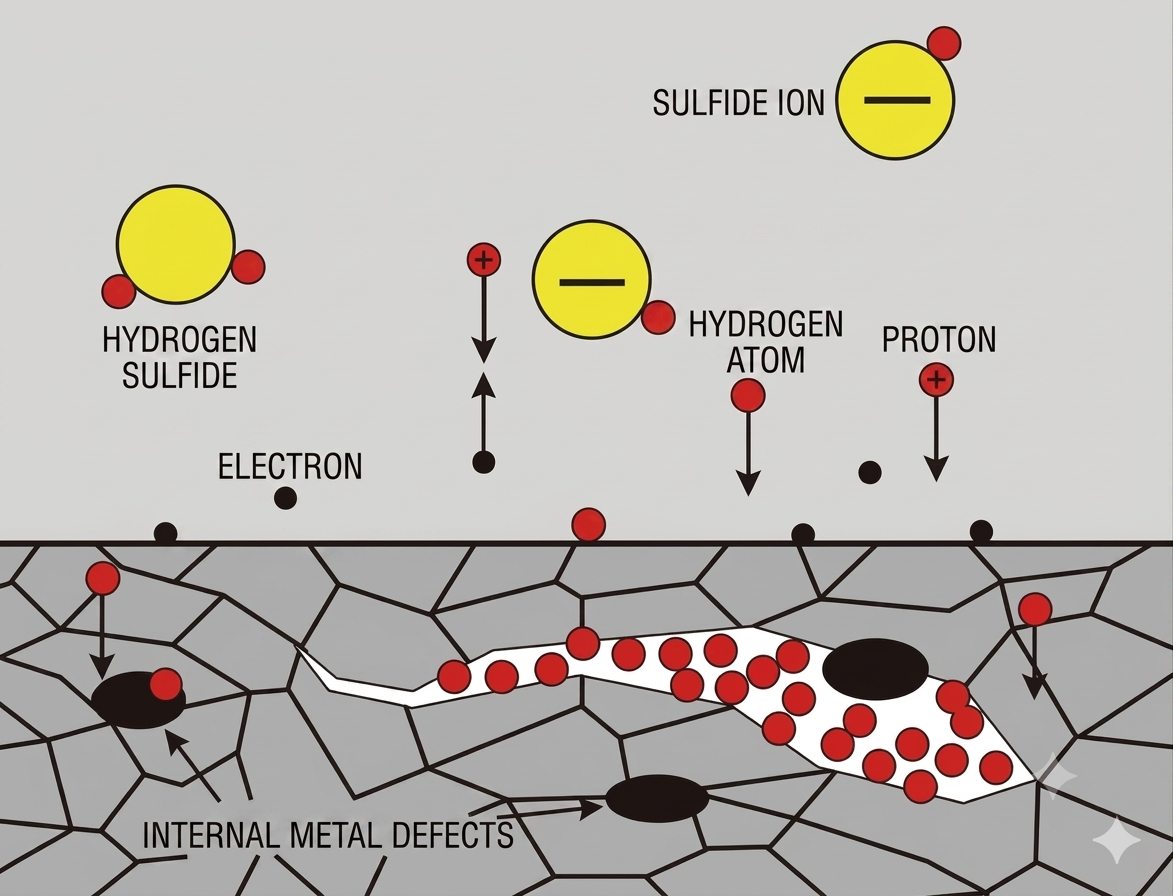
Hydrogen embrittlement in screws is one of the most critical quality risks in B2B fastener procurement and engineering design. When screws absorb hydrogen atoms during acid pickling or electroplating processes, it leads to a degradation of the material’s ductility. The most dangerous aspect is “delayed fracture,” which typically occurs within 1 to 48 hours after installation
How Does the Chungho Team Propose to Solve Hydrogen Embrittlement?
Hydrogen Baking (Hydrogen Relief): High-strength fasteners (such as Grade 10.9 or 12.9) must undergo a hydrogen baking process at a specific temperature and for a set duration within a strict time limit (usually within 4 hours after electroplating) to drive out the hydrogen atoms trapped inside the metal.
Which Screws Are at High Risk for Hydrogen Embrittlement?
Evaluation Item | High-Risk Indicators for Hydrogen Embrittlement |
Critical Hardness Threshold | Products with a hardness of Rockwell C 34 HRC or higher are the most susceptible. |
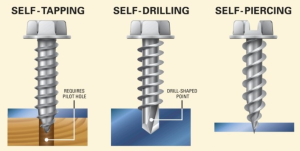
Common High-Risk Products | Grade 12.9 socket head cap screws, Grade 10.9 bolts, self-tapping screws, spring washers, and Grade 8 bolts. |
Highest-Risk Process | Electroplating processes (especially zinc plating) carry the highest probability of hydrogen embrittlement failure. |
Fatal Risk Characteristic | Sudden, catastrophic breakage within 1 to 48 hours after installation and tightening (delayed fracture). |